
道場TOP ネタ一覧 shoppq道場
Lightweight and Portable: A Look Back at the ASUS Vivobook E203N Ultra-Portable Laptop
- ◇評価 0ポイント
- ◇閲覧回数 78回
- ◇登録日
- 2026年7月7日
-
- aline
- 道場主
Lv.21
In an era before thin-and-light laptops became ubiquitous, the ASUS Vivobook E203N offered an attractive choice for users prioritizing portability, thanks to its compact chassis and capable performance. It embodied the design philosophy of entry-level portable laptops from that period: sufficient performance, lightweight portability, and an affordable price point.
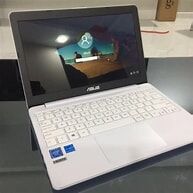
Compact Form Factor: A True On-the-Go Companion
The Vivobook E203N’s standout feature is its compact size. With an 11.6-inch screen and a slim, lightweight design, it fits easily into various backpacks or even larger handbags. For students frequently moving between classrooms, libraries, and dorms, or professionals who travel often, this effortless portability is a major advantage.
In terms of overall design, it carries on the youthful style of the Vivobook series. While it lacks the premium all-metal finish found in today’s flagship models, its design was clean and visually appealing for its price range at the time.
Core Performance: A Daily Productivity Laptop with a Clear Purpose
As an entry-level portable laptop, the E203N’s hardware is tailored for basic daily tasks. Powered by an Intel low-power processor and equipped with adequate RAM and eMMC storage, it runs office software, web browsers, and online video streaming smoothly. German tech outlet Notebookcheck rated it a 77 ("Good"), noting its ability to handle office applications, web browsing, and simple image editing without issues, while the built-in microSD card reader offers convenient storage expansion.
Naturally, given its market positioning, it is not designed for running demanding games or professional video rendering. Its mission is clear: to facilitate light productivity and study while on the move.
Target Audience and Market Positioning
ASUS positions the Vivobook series as an ideal choice for students and everyday users, balancing speed, aesthetics, and versatility. The Vivobook E203N perfectly embodies this philosophy. Its target audience is clearly defined:
Students: Those on a limited budget who need a lightweight computer for assignments, research, and online classes. Mobile professionals: Those needing a second computer to handle emails and documents while traveling.
Home users: Those seeking a supplementary home computer to meet light web-browsing needs in the living room or bedroom.
Enduring Value
Looking back at the ASUS Vivobook E203N today, it may not rival modern laptops in terms of performance, but it successfully carved out a niche in the market by defining the standard for an entry-level laptop that was both portable and "sufficient for the task." Rather than chasing extreme performance, it prioritized portability, practicality, and value for money, serving as a reliable primary computer or a trusty portable companion for many users.
|
|
【キーワード】
登録されていません
|

|
  |

|
ブログ? そんなの必要ありません! 今日から、いきなりアフィリエイトスタート!
【まにあ道アフィリエイト】まにあ道ならAmazonアソシエイトIDを利用してネタを書くだけで、お気軽に始めていただけます。


 New battery LB-03 12-100-0002 1600mAh/5.92Wh 3.7V for BIOLIGHT M800(0)
-

- Lightweight and Portable: A Look Back at the ASUS Vivobook E203N Ultra-Portable Laptop(0) aline (道場主)





 シュリのおすすめネタ
 この道場の人気ネタ
-
New battery BLPA37 2430mAh/19.01WH 7.... -
New Battery Laptop Batteries HONOR 11.... -
New battery CMLI2X4I001B 6700mAh/96.48... -
High-compatibility battery SLIMCORE_10... -
New battery LB-03 12-100-0002 1600mAh/...
このネタをソーシャルブックマークに登録する
 まにあ道の人気ネタ
-
オナホールの適切な利用方法 -
Choisissez une batterie de qualité... -
20V 16.5A 330W MSI 充電器 ADP-330CB_B MSI... -
4750mAh 00HW004 Replacement Battery fo... -
Batterie Li-ion OTHER 2500mAh/19Wh 7.6...
コメントはまだありません。